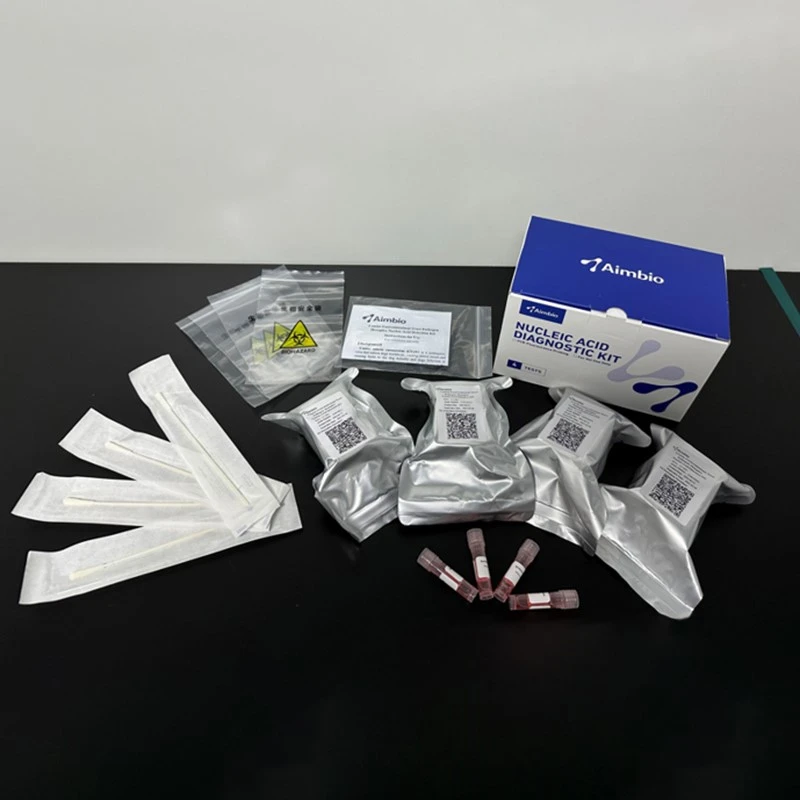
An HPV (human papillomavirus) nucleic acid test determines whether an individual is infected with HPV by detecting the presence of the virus's genetic material-its nucleic acid-in secretions or exfoliated cells collected from a potentially affected area.
There are over 150 subtypes of HPV, categorized into high-risk and low-risk types. High-risk types-such as types 16, 18, and 30-can lead to conditions including condyloma acuminatum (genital warts), penile cancer, and cervical cancer. Low-risk types-such as types 6, 11, and 13-can cause conditions like flat warts, common warts, and filiform warts. If an HPV infection is suspected, secretions or exfoliated cells from the affected site can be collected for an HPV nucleic acid test; a positive result indicates the presence of an HPV infection.
Individuals within the appropriate age range can prevent HPV infection by receiving an HPV vaccine.