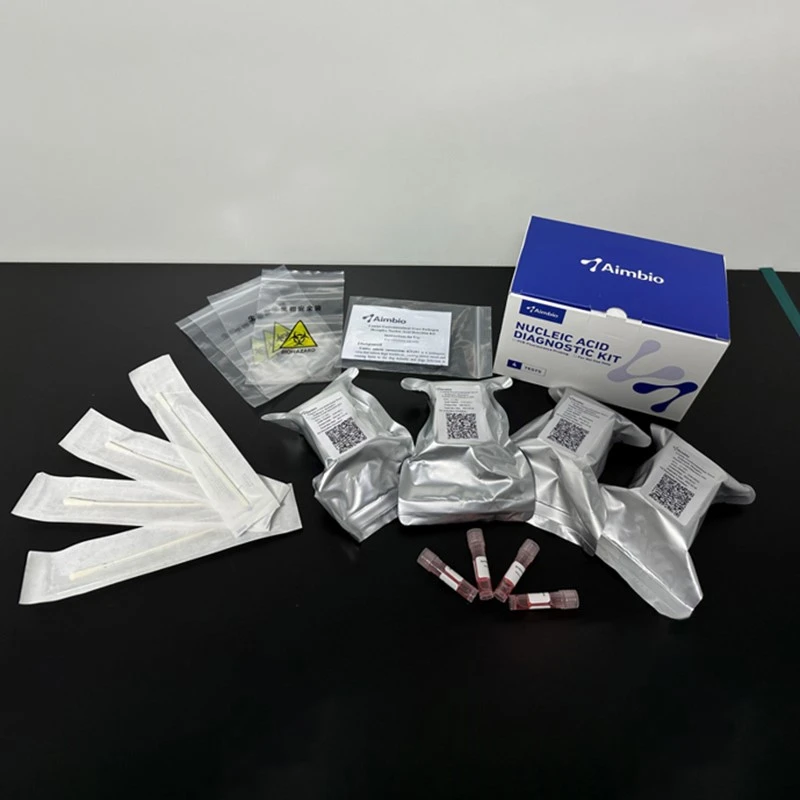
Cervical exfoliated cells are the primary specimen type for nucleic acid testing. During sampling, a speculum is used to expose the cervix. A specialized sampling brush is placed at the external cervical os and rotated several times against the cervical surface to collect exfoliated cells from both the ectocervix and the endocervical canal. The brush head is then rinsed into a cell preservation solution for laboratory analysis.
The timing of sampling and the local condition of the cervix can affect test results. Menstrual bleeding, vaginal douching, recent sexual activity, and the use of intravaginal medications may interfere with cell collection or inhibit the amplification reaction; therefore, these conditions should generally be avoided. Sampling should also not be performed immediately following a cervical biopsy or therapeutic procedure while the site is still healing.
Avoid sampling during menstruation; refrain from sexual activity, vaginal douching, and the use of intravaginal medications prior to the procedure.
Use warm water to lubricate the speculum, ensuring that no chemical lubricants contaminate the preservation solution.
Rotate the sampling brush sufficiently; ensure the brush head is fully submerged in the preservation solution and that the tube cap is tightened securely.
If the same specimen is to be used for both cytological examination and nucleic acid testing, collect the sample for cytology first, followed by the sample for nucleic acid testing-or follow the specific sequence outlined in the manufacturer's instructions.
In addition to cervical specimens, other materials may be used in specific contexts. Following proper training, self-collected vaginal swabs can be used for population-based screening. Swabs taken from the male urethral opening or the perianal region, as well as wart tissue or paraffin-embedded cervical biopsy sections, can also be tested after undergoing appropriate pretreatment. The suitability of such specimens should be determined based on the specifications provided in the reagent kit's instructions.