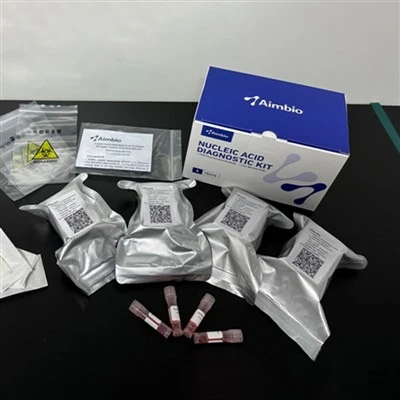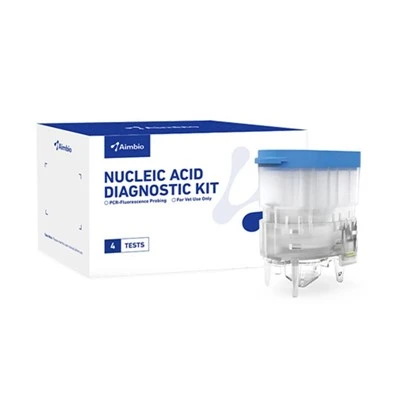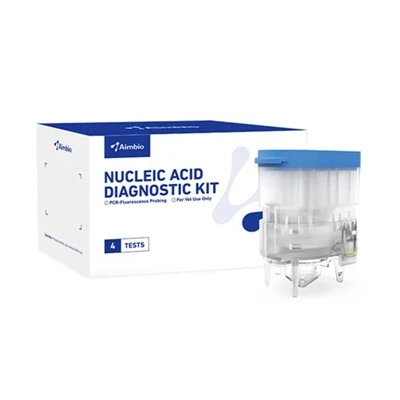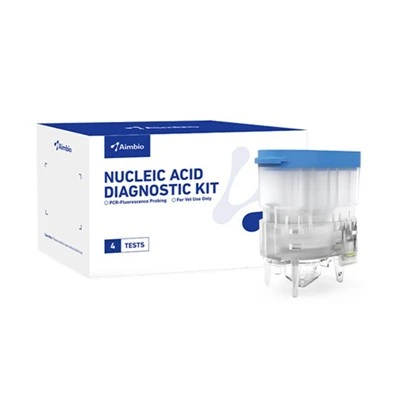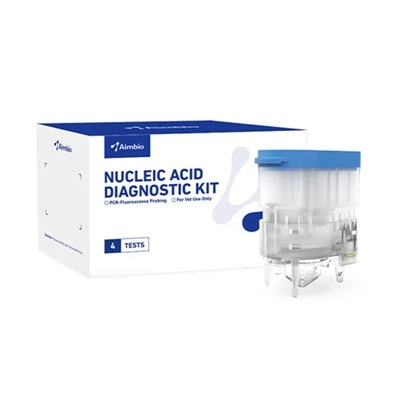
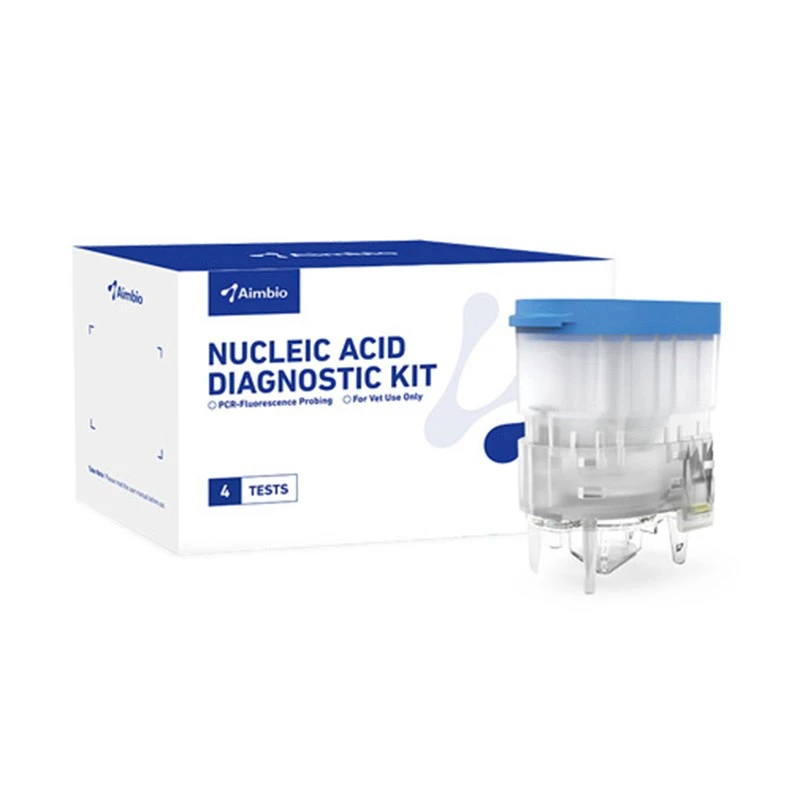

Hangzhou Aimbio Technology Co., Ltd. is one of the leading manufacturers and suppliers of anaplasma 6-in-1 nucleic acid detection kit in China. We are committed to providing high quality customized products with competitive price. If you're going to buy bulk advanced test kits made in China, welcome to get quotation from our factory.
Product Details
| Item | Description |
| Product name | Anaplasma 6-in-1 Nucleic Acid Detection Kit |
| Reference code | CF-042 |
| Named targets | Babesia canis; Babesia gibsoni; Mycoplasma haemocanis; Anaplasma spp.; Ehrlichia spp.; Hepatozoon |
| Product category | Canine nucleic acid detection panel |
Blood-cell infections
Babesia are protozoan parasites that infect red blood cells. Canine infections include large forms such as B. canis and smaller forms such as B. gibsoni. Babesiosis can be accompanied by anemia, fever or weakness, and affected dogs may have pale mucous membranes. Mycoplasma haemocanis is a different organism: a hemotropic bacterium associated with canine infectious anemia. Its consequences can be more severe in dogs with impaired immunity or without a spleen.
Anaplasma and Ehrlichia context
The Anaplasma group includes organisms with differing effects on blood cells. Anaplasma platys is associated with platelets and can cause a recurring reduction in platelet numbers, including in dogs with few obvious signs. Other vector-borne infections can influence the severity of that illness. Ehrlichia organisms are another cause of canine infection. Similar general signs across these infections make the clinical history and the pattern of laboratory findings relevant to interpretation.
Reading the six-target identity
Anaplasma 6-in-1 Nucleic Acid Detection Kit is identified by reference CF-042. Hepatozoon is included as a genus-level entry, alongside the other five named targets. The panel name is therefore broader than an Anaplasma-only description. A genus entry and an individual species name convey different levels of taxonomic detail; the full target list preserves that distinction. Veterinary assessment considers organism findings together with the dog's signs and possible exposure to vectors.
FAQ
Q: Why are two Babesia names listed separately?
A: B. canis and B. gibsoni are distinct named organisms within the Babesia group. Keeping both entries visible makes the stated panel composition clearer.
Q: Do anemia or low platelets identify a single infection?
A: No. Several organisms in this group can be associated with changes in blood cells, and some infections produce few outward signs. Clinical assessment uses the animal's history and other findings to determine their significance.
Hot Tags: anaplasma 6-in-1 nucleic acid detection kit, China anaplasma 6-in-1 nucleic acid detection kit manufacturers, suppliers, factory