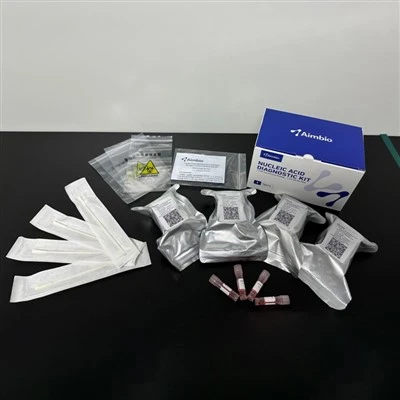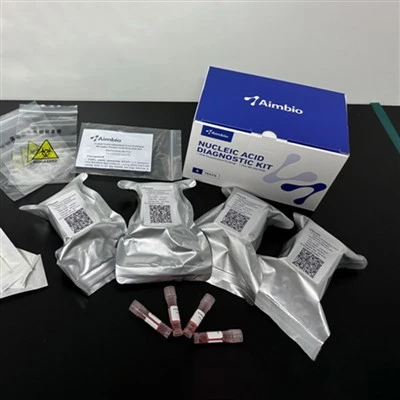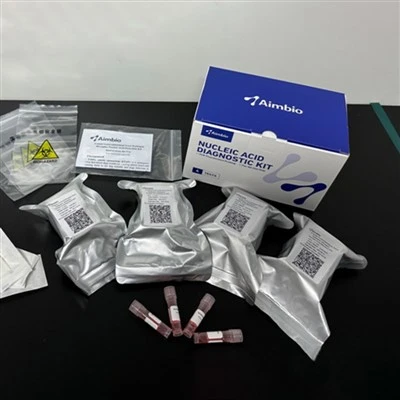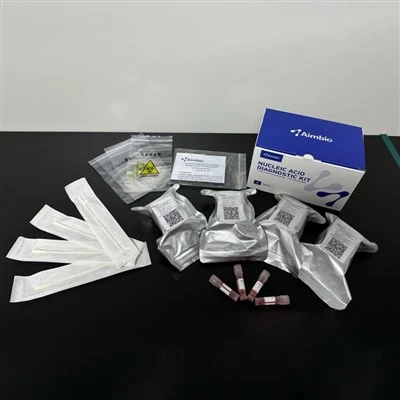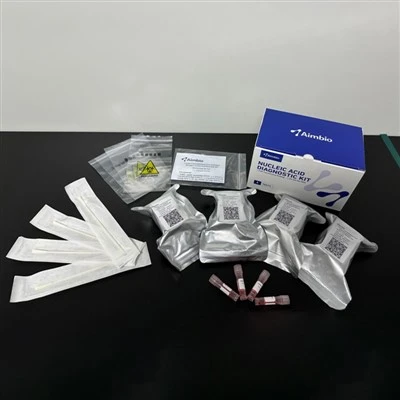
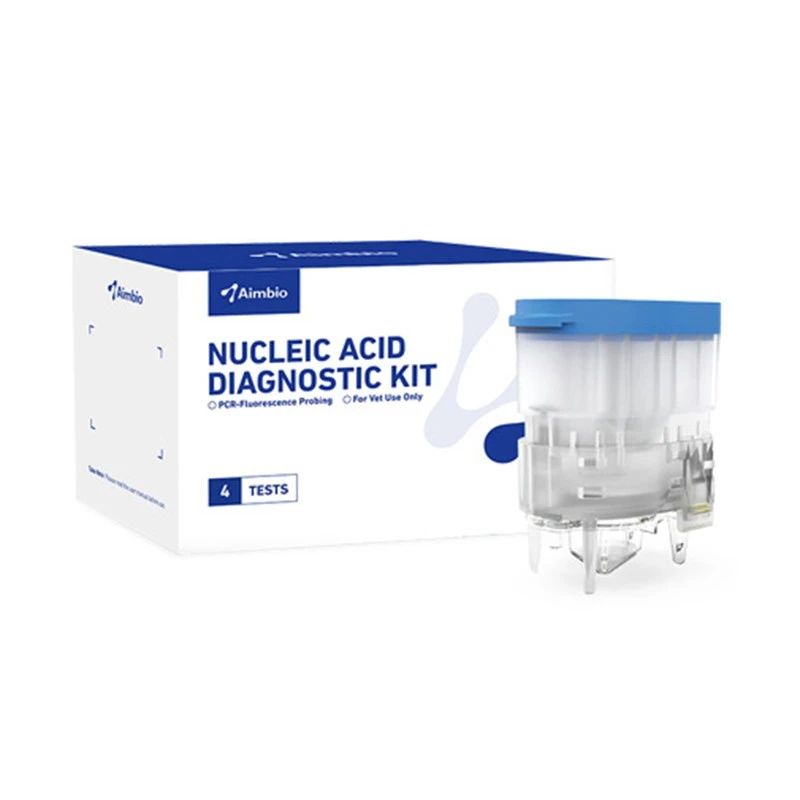

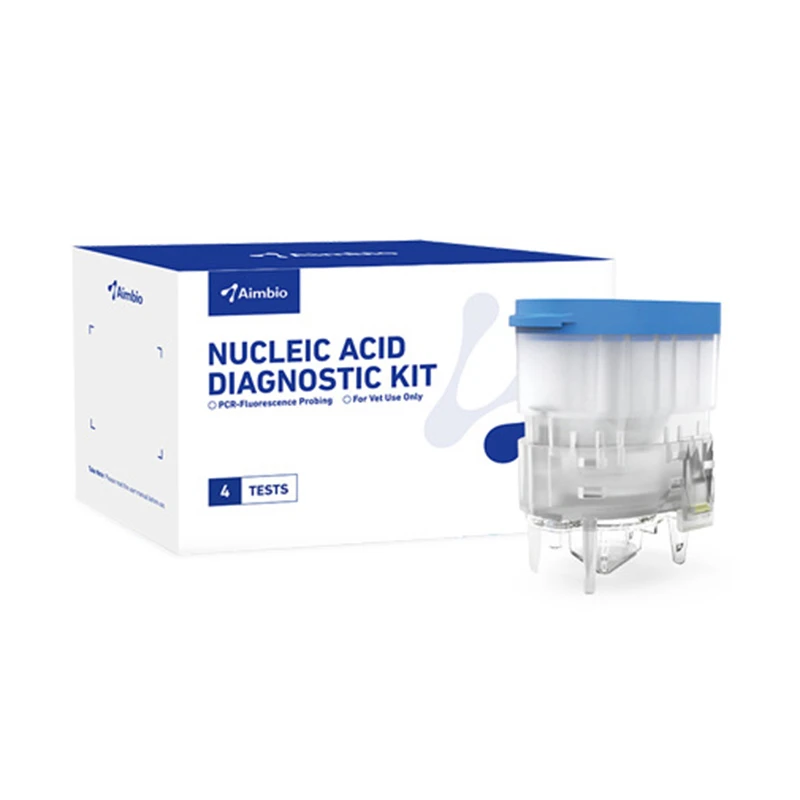
Hangzhou Aimbio Technology Co., Ltd. is one of the leading manufacturers and suppliers of anaplasma babesia and ehrlichia heptaplex nucleic acid detection kit in China. We are committed to providing high quality customized products with competitive price. If you're going to buy bulk advanced test kits made in China, welcome to get quotation from our factory.
Product Details
| Item | Description |
| Product name | Anaplasma Babesia And Ehrlichia Heptaplex Nucleic Acid Detection Kit |
| Reference code | CF-600 |
| Specimen | Anticoagulated whole blood |
| Storage | Shipped at ambient temperature and stored at 2-8°C (36-46°F) for up to 12 months. |
| Use restriction | For veterinary use only, not for IVD. |
| Applicable instrument | Nucleic Acid Amplification Analyzer AIMDX1800 |
Mycoplasma haemocanis
Mycoplasma haemocanis is a hemotropic bacterium that causes canine infectious anemia. It is transmitted by ticks, fleas, or direct contact such as fighting or blood transfusion. Clinical signs include anemia, fever, lethargy, and pale mucous membranes, with more severe manifestations in splenectomized or immunocompromised dogs.
Borrelia burgdorferi
Borrelia burgdorferi is a spirochete bacterium that causes Lyme disease, transmitted by hard-bodied ticks of the genus Ixodes. Common clinical signs in dogs include intermittent lameness, joint swelling, fever, lethargy, and anorexia. In severe cases, it may lead to glomerulonephritis.
Heptaplex blood analysis
Anaplasma Babesia And Ehrlichia Heptaplex Nucleic Acid Detection Kit: Fully automated magnetic beads based nucleic acid extraction, reverse transcription (for RNA), and multiplex real-time quantitative PCR are performed sequentially in the cartridge and the detection result is analyzed by the AIMDX1800 analyzer.
FAQ
Q: Which signs accompany anaplasmosis?
A: Anaplasmosis is a tick-borne disease caused by the infectious bacterial organism Anaplasma phagocytophilum, which has a worldwide distribution and endemic areas. The most frequently observed clinical signs include fever, lethargy, inappetence or anorexia, weight loss and musculoskeletal pain or discomfort.
Q: Which Babesia forms and signs are described?
A: The large Babesia spp., previously considered to be B. canis, currently include B. canis canis, B. canis rossi, and B. canis vogeli as distinct species. All Babesia species can cause fever, enlarged lymph nodes and spleen, anaemia, thrombocytopenia, jaundice and pigmenturia. Frequent clinical signs associated with canine babesiosis are apathy, weakness, anorexia, pale mucous membranes and a poor general condition.
Q: Which Ehrlichia infect dogs?
A: In general, three Ehrlichial species (Ehrlichia canis, E. ewingii, and E. chaffeensis) are involved in infecting dogs.
Hot Tags: anaplasma babesia and ehrlichia heptaplex nucleic acid detection kit, China anaplasma babesia and ehrlichia heptaplex nucleic acid detection kit manufacturers, suppliers, factory