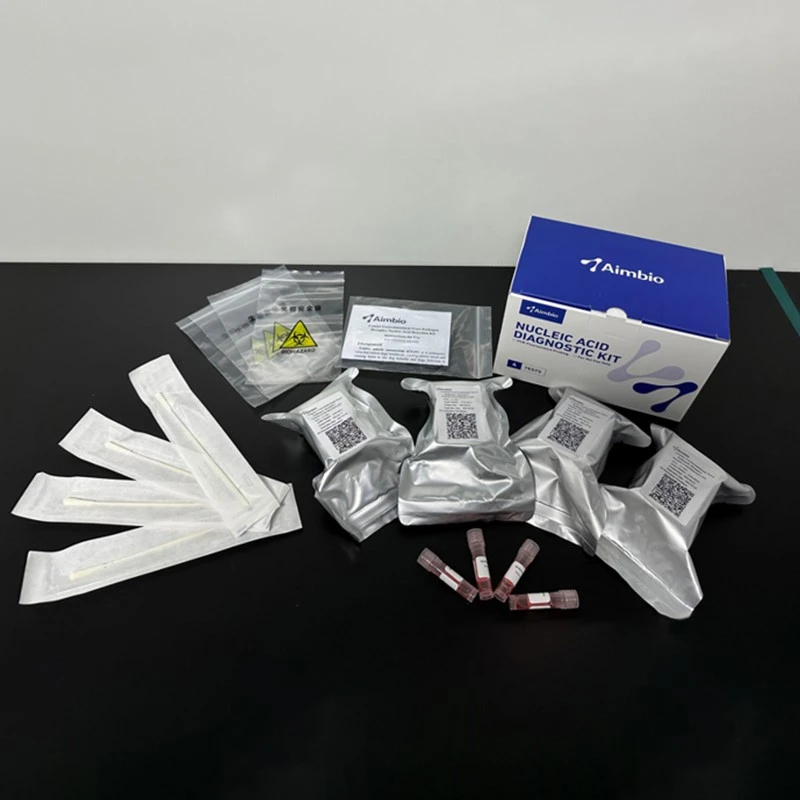
A negative SARS-CoV-2 nucleic acid test result generally indicates that the virus's genetic material (nucleic acid) was not detected in the sample provided. This suggests that the individual is either not infected with the virus or that the viral load is extremely low.
1. Absence of infection: If there is no clear history of exposure or relevant symptoms, a negative result typically indicates that the individual is not infected. Such individuals should continue to practice routine preventive measures, such as wearing masks, washing hands frequently, and avoiding crowded places.
2. Early stage of infection or recovery phase: During the initial stage of an infection, the viral load may be too low to be detected, potentially leading to a negative result. In such cases, the result should be interpreted in the context of clinical symptoms and epidemiological history; a follow-up test may be necessary after 1–2 days. During the recovery phase, the viral load gradually decreases, which may cause the nucleic acid test to turn negative. Individuals in this phase should continue to focus on rest and proper nutrition.
3. Possibility of a false negative: Factors such as improper sample collection (e.g., insufficient depth for a nasopharyngeal swab), incorrect sample storage, or contamination during the testing process can lead to a false-negative result. If there is a strong suspicion of infection despite a negative test, it is advisable to repeat the sampling and testing, or to pursue other diagnostic methods (such as antibody testing or medical imaging) to clarify the diagnosis.
4. Considerations for specific groups: In pregnant women, the elderly, and individuals with compromised immune systems (such as those undergoing cancer treatment-radiotherapy or chemotherapy-or those living with HIV), viral loads may fluctuate. A negative nucleic acid test does not entirely rule out the risk of infection. These individuals should closely monitor any changes in their symptoms and, if necessary, undergo follow-up testing as advised by a healthcare professional.