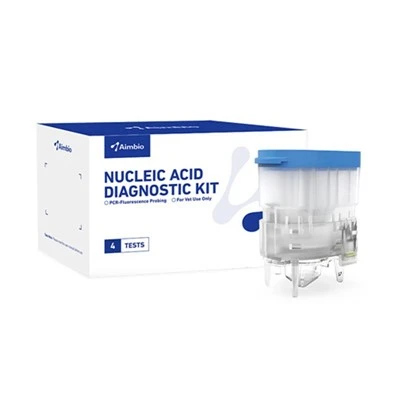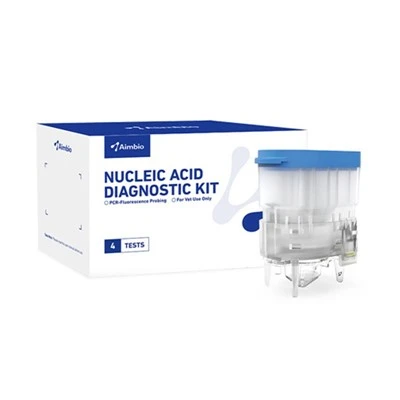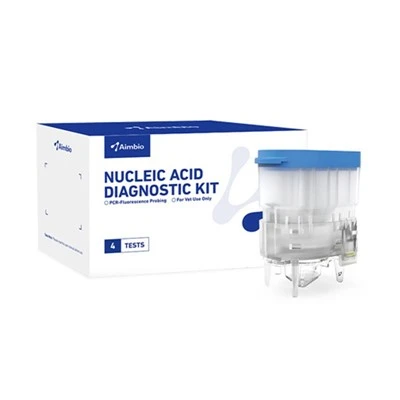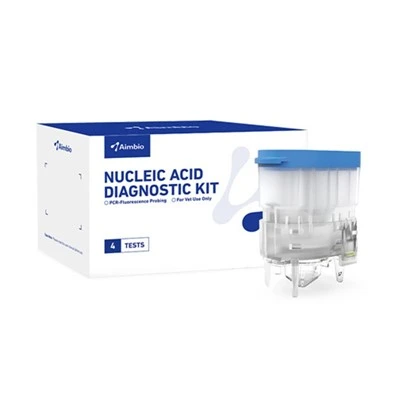
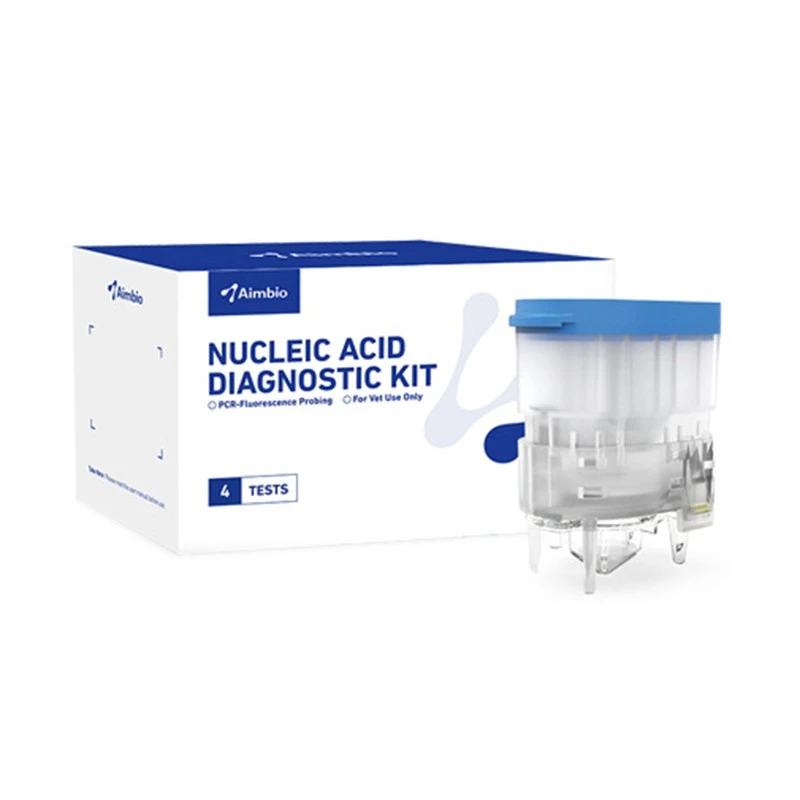

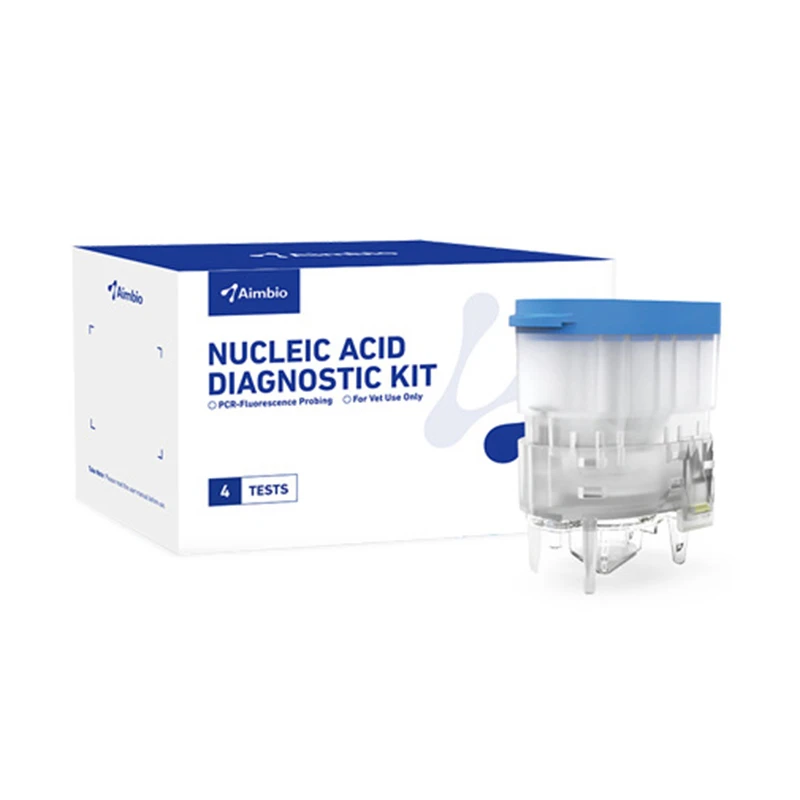
Hangzhou Aimbio Technology Co., Ltd. is one of the leading manufacturers and suppliers of cryptosporidium spp. nucleic acid detection kit in China. We are committed to providing high quality customized products with competitive price. If you're going to buy bulk advanced test kits made in China, welcome to get quotation from our factory.
Product Details
| Item | Description |
| Product name | Cryptosporidium spp. Nucleic Acid Detection Kit |
| Reference code | CF-032 |
| Target | Cryptosporidium spp. |
| Product category | Veterinary nucleic acid detection kit |
Environmental transmission
Cryptosporidium can spread through fecal contamination. Infective material may reach water, food or surfaces, allowing exposure without direct contact with an obviously ill animal. Parasites are passed as microscopic oocysts, which can already be infective when shed. This gives environmental contamination a role in transmission between susceptible hosts. The presence of an apparently healthy animal does not exclude an environmental source of exposure.
Infection and illness differ
Many infected dogs and cats show no obvious disease. When clinical illness occurs, younger animals are more often affected, and diarrhea may be accompanied by dehydration or loss of weight. Immune status influences the course of infection. Some animals can continue to pass oocysts despite appearing well, so observations of appetite and activity do not provide a complete account of parasite carriage. Clinical assessment considers those observations alongside gastrointestinal signs.
Parasite identity and testing
Cryptosporidium spp. Nucleic Acid Detection Kit is identified by reference CF-032. Its named target group is Cryptosporidium spp. Species in this genus differ in host preference; C. canis is commonly found in dogs and C. felis in cats. Other species have a broader host range. Oocysts are very small and can be difficult to recognize during routine microscopic examination. Molecular and immunological methods provide other approaches to investigating infection, with their findings interpreted in the animal's clinical context.
FAQ
Q: Does a genus-level name identify the species?
A: No. Cryptosporidium spp. describes a group. The name alone does not identify an individual species or establish the host range of the organism detected.
Q: Can exposure involve a contaminated environment?
A: Yes. Fecal material from an infected host can contaminate shared surroundings. Environmental exposure is one reason that clinical history includes where an animal has lived and its contact with other animals, as well as its current signs.
Hot Tags: cryptosporidium spp. nucleic acid detection kit, China cryptosporidium spp. nucleic acid detection kit manufacturers, suppliers, factory